Pressure Washing vs. Soft Washing Brick: Which Is Safer and Why?
Brick homes are known for their durability, classic appearance, and long lifespan. But when brick becomes stained with dirt, algae, moss, or mildew, many homeowners ask the same question: Should brick be pressure washed, or is soft washing safer?
Understanding the difference between pressure washing vs. soft washing brick is critical. While both methods can clean exterior surfaces, using the wrong approach on brick can lead to costly and irreversible damage. In this article, we’ll break down how each method works, the risks involved, and why soft washing is often the safer choice for brick surfaces.
Understanding Brick as a Building Material
Before comparing cleaning methods, it’s important to understand how brick behaves.
Brick is a porous material, meaning it absorbs water. While fired brick itself is relatively strong, the mortar joints holding the brick together are much softer and more vulnerable to erosion. Older homes and historic brick structures are especially susceptible to damage from aggressive cleaning methods.
Common contaminants found on brick include:
- Algae and moss
- Mold and mildew
- Efflorescence (white mineral deposits)
- Pollution and organic staining
Removing these safely requires the right technique—not just more force.
What Is Pressure Washing?
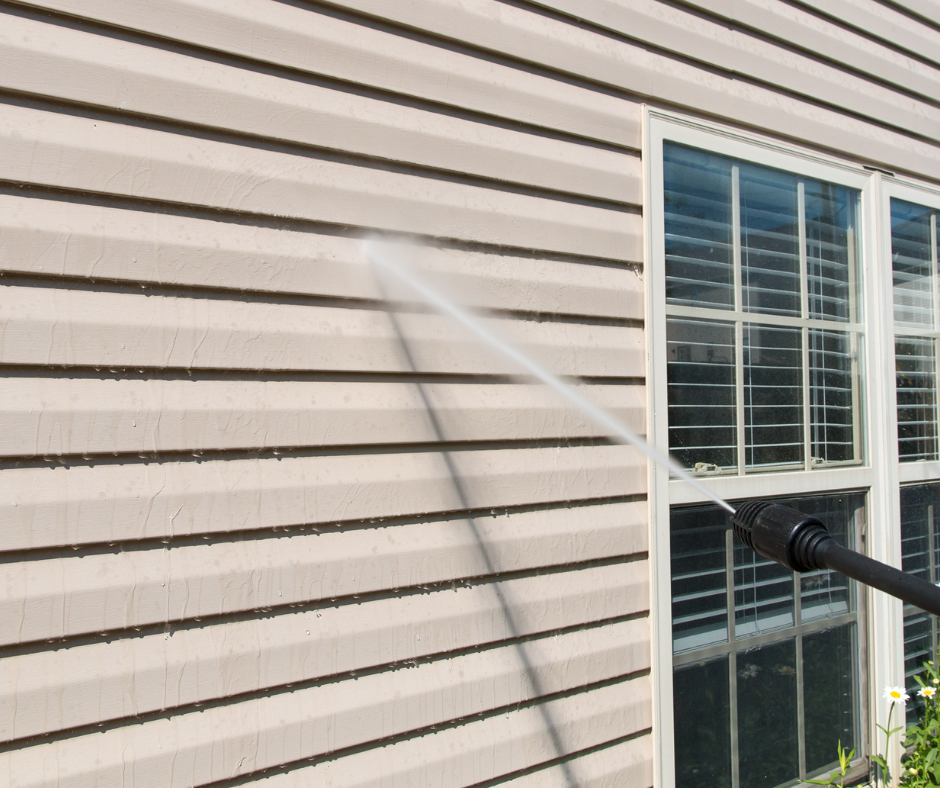
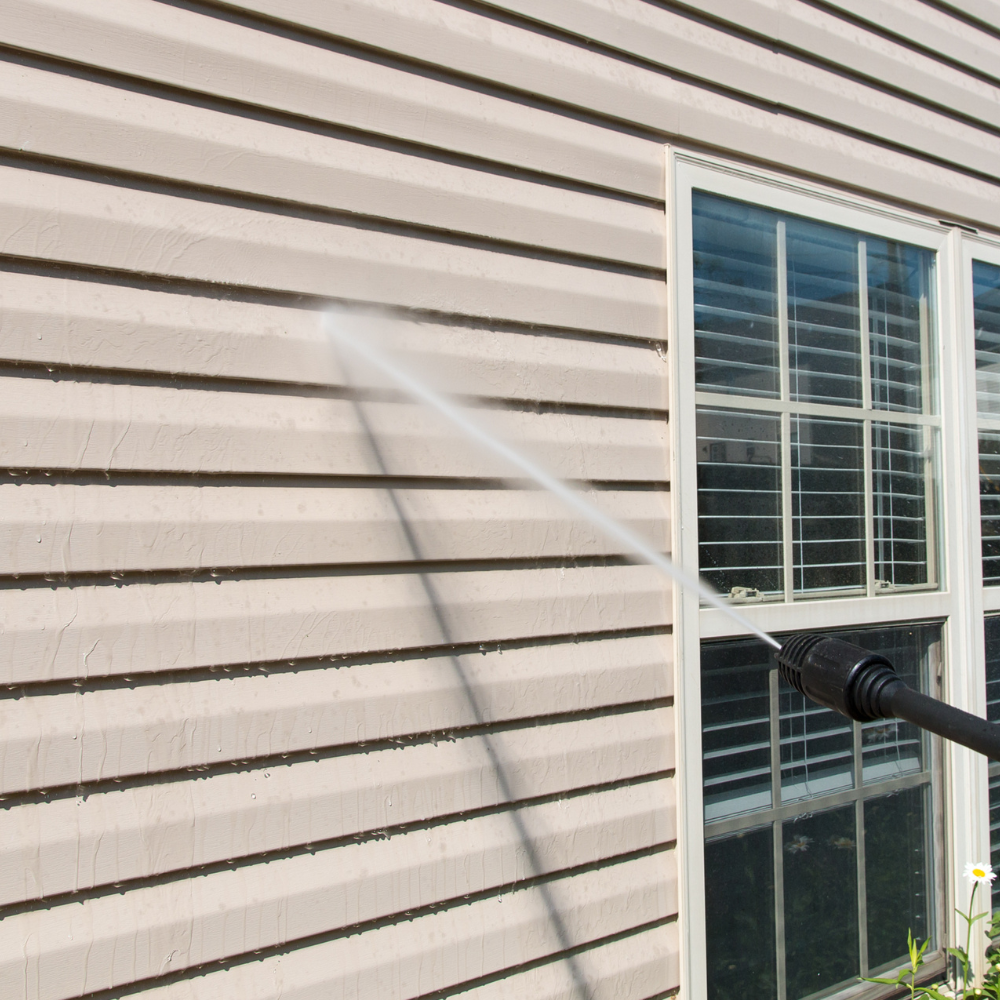
Pressure washing uses high-pressure water, typically ranging from 1,500 to over 4,000 PSI, to blast dirt and grime from surfaces.
How Pressure Washing Works
- Relies on mechanical force
- Uses little to no cleaning solution
- Immediate visual results
- Commonly used on concrete, driveways, and heavy-duty surfaces
Risks of Pressure Washing Brick
While pressure washing may seem effective, it comes with serious risks when used on brick:
- Mortar erosion – High PSI can wash out mortar joints, leading to structural weakness
- Brick spalling – Water forced into brick pores can cause the brick face to flake or crack during freeze-thaw cycles
- Moisture intrusion – Damaged brick absorbs more water, increasing mold and interior moisture issues
- Shortened lifespan – Repeated pressure washing accelerates brick deterioration
According to the Brick Industry Association, improper cleaning methods are one of the leading causes of premature brick failure.
What Is Soft Washing?
Soft washing is a low-pressure cleaning method that uses specialized cleaning solutions to break down organic growth rather than blasting it away.
How Soft Washing Works
- Uses low pressure (typically under 300 PSI)
- Relies on biodegradable detergents
- Kills algae, mold, and mildew at the root
- Provides longer-lasting results
Soft washing treats the cause of staining instead of just removing the surface appearance.
Pressure Washing vs. Soft Washing Brick: Key Differences
| Feature | Pressure Washing | Soft Washing |
|---|---|---|
| Water Pressure | High (1,500–4,000 PSI) | Low (<300 PSI) |
| Cleaning Method | Force-based | Chemical-based |
| Risk to Brick | High | Minimal |
| Mortar Safety | Often damaged | Preserved |
| Longevity of Results | Short-term | Long-term |
| Recommended for Brick? | Rarely | Yes |
Why Soft Washing Is Safer for Brick
1. Protects Mortar Joints
Mortar is designed to be softer than brick so it can flex and absorb stress. High-pressure water can easily carve it away, leading to expensive tuckpointing or masonry repairs.
2. Prevents Brick Spalling
Spalling occurs when water enters brick pores and causes the surface to chip or peel. Soft washing avoids forcing water into the brick, reducing this risk dramatically.
3. Kills Organic Growth Completely
Pressure washing often leaves behind spores and roots. Soft washing kills mold, algae, and mildew at the microbial level, slowing regrowth.
The Environmental Protection Agency (EPA) notes that mold spores can survive surface cleaning if not properly treated.
4. Longer-Lasting Results
Because soft washing removes the organisms causing the stains, brick stays cleaner 2–4 times longer compared to pressure washing.
When Is Pressure Washing Brick Ever Appropriate?
There are limited cases where pressure washing brick may be acceptable:
- Newer brick construction
- Very low PSI settings
- Wide fan-tip nozzles
- Performed by trained professionals
Even then, many masonry experts recommend soft washing first, with pressure used only as a last resort.
The International Masonry Institute advises against aggressive pressure cleaning on most brick surfaces.
Common Brick Damage Caused by Improper Pressure Washing
Homeowners often don’t notice damage immediately. Signs can appear months later.
Warning Signs Include:
- Crumbling or missing mortar
- Flaking brick faces
- White powdery residue (efflorescence)
- Increased indoor humidity
- Dark moisture stains after rain
Once brick damage occurs, cleaning costs can quickly turn into thousands in masonry repairs.
Soft Washing Brick: The Professional Process
A professional soft wash typically includes:
- Surface inspection to identify brick type and condition
- Pre-wetting to protect landscaping and prevent chemical absorption
- Application of cleaning solution designed specifically for masonry
- Dwell time to allow growth to break down naturally
- Gentle rinse using low-pressure water
This method is endorsed by many masonry preservation organizations, especially for older and historic buildings.
DIY vs. Professional Brick Cleaning
DIY Risks
- Using too much pressure
- Incorrect chemical mixtures
- No understanding of brick age or composition
- Potential warranty or insurance issues
Professional Benefits
- Correct PSI and cleaning agents
- Knowledge of brick and mortar types
- Liability protection
- Longer-lasting, safer results
If you’re unsure, it’s always safer to consult a professional brick cleaning service.
Pressure Washing vs. Soft Washing Brick: Final Verdict
Soft washing is almost always the safer and more effective option for cleaning brick.
While pressure washing may appear faster, it carries significant risks that can permanently damage brick and mortar. Soft washing provides a deeper clean, protects your home’s structure, and delivers longer-lasting results—all without unnecessary force.
Recommended Next Steps
If your brick home is showing signs of staining or organic growth:
- Avoid high-pressure washing
- Schedule a professional soft wash inspection
- Address growth early to prevent moisture damage
- Learn more about our Soft Washing Services.