Can Roof Cleaning Cause Leaks? What Homeowners Must Know Before Cleaning
Can roof cleaning cause leaks? This is one of the most common questions homeowners ask before scheduling exterior cleaning services. Roof cleaning is essential for removing algae, moss, lichen, and debris that can shorten roof lifespan. However, when done improperly, roof cleaning can contribute to leaks, loosen shingles, or expose hidden damage.
The key is understanding how leaks happen, what cleaning methods are safest, and when professional help is necessary. This guide will explain the real risks, common mistakes, and expert recommendations so you can protect your roof while keeping it clean.
Why Roof Cleaning is Important for Home Maintenance
Over time, roofs accumulate organic growth and environmental contaminants. In humid climates especially, algae and moss growth can trap moisture against roofing materials, leading to deterioration.
According to the
Asphalt Roofing Manufacturers Association (ARMA), algae can cause dark streaking and reduce the overall performance and appearance of shingles.
Routine roof cleaning helps:
- Extend roof lifespan
- Improve curb appeal
- Prevent moisture retention
- Maintain energy efficiency
- Reduce risk of structural damage
However, the cleaning method used plays a major role in whether the process is beneficial or harmful.
How Roof Cleaning Can Cause Leaks
Roof cleaning itself does not usually create leaks on a structurally sound roof. Instead, improper cleaning techniques can trigger or worsen existing vulnerabilities.
Common ways leaks occur during roof cleaning:
1. High-Pressure Washing Damage
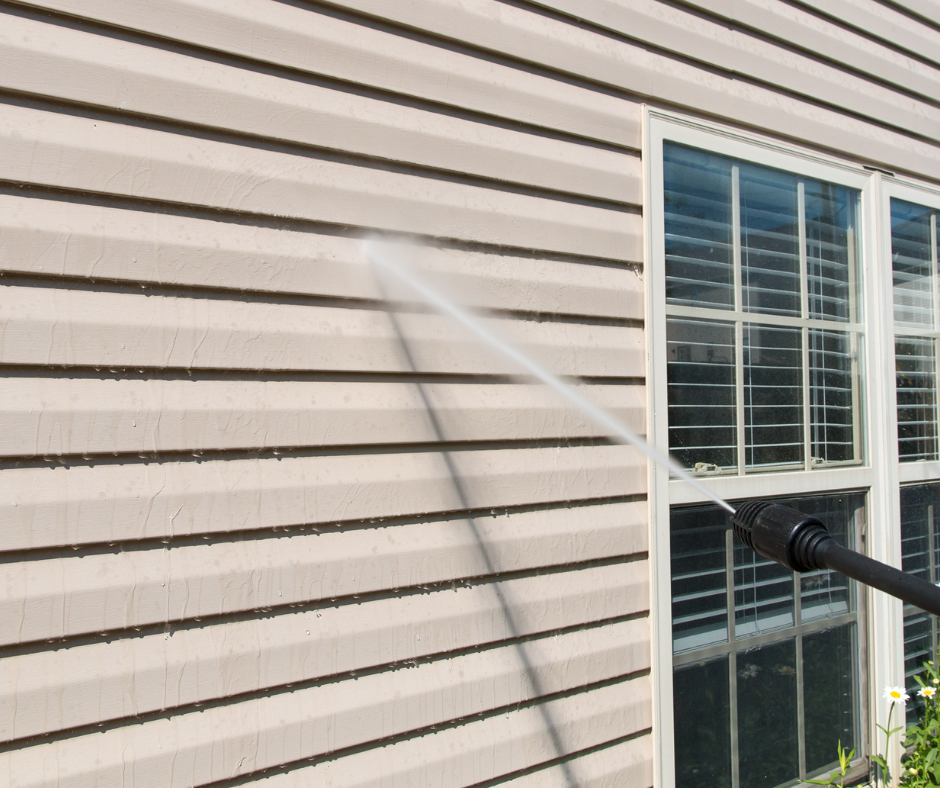
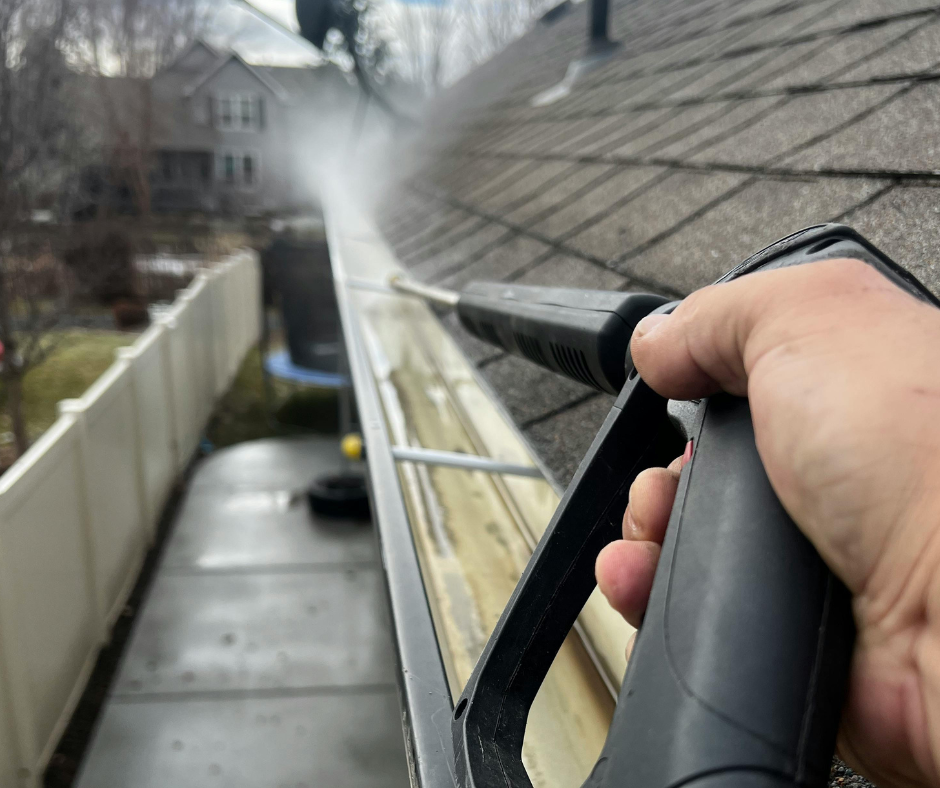
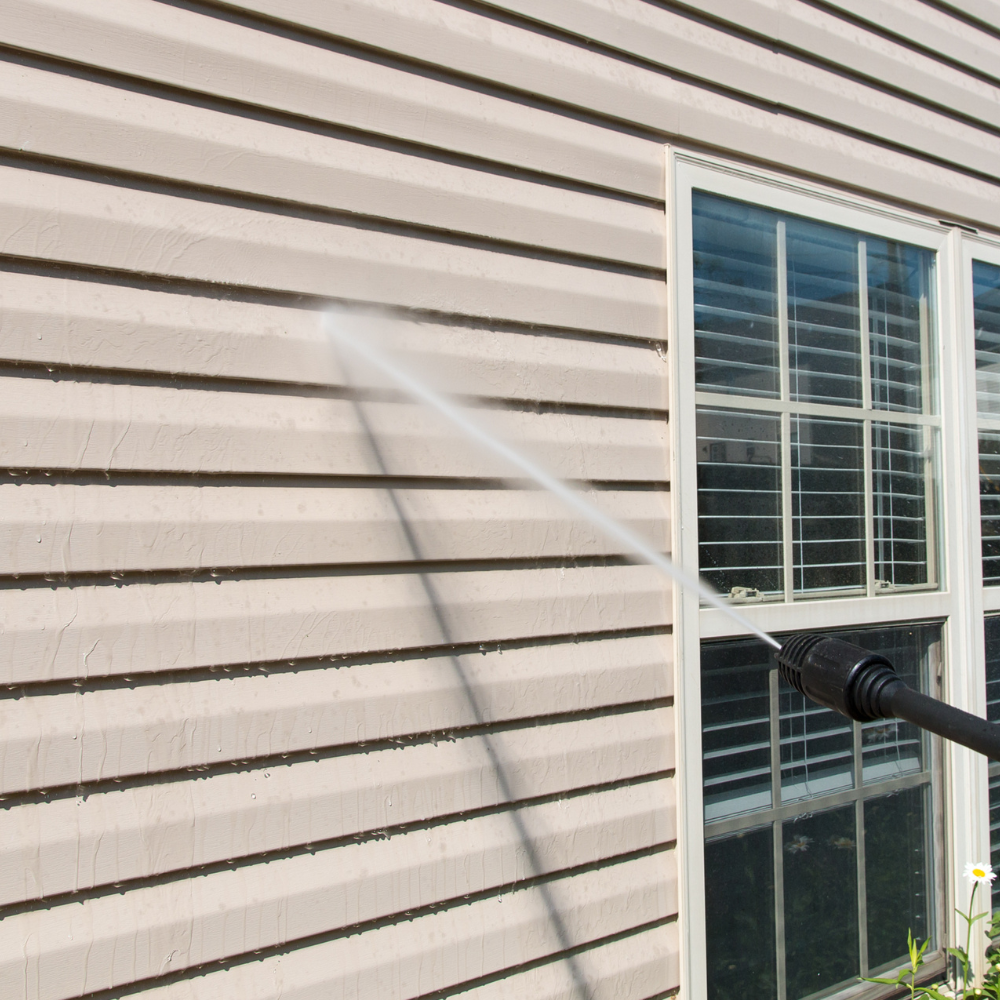
Pressure washing shingles can:
- Remove protective granules
- Lift or loosen shingles
- Force water under roofing materials
- Damage flashing or sealant
The
National Roofing Contractors Association (NRCA) warns that high-pressure cleaning can shorten roof life and lead to moisture intrusion.
2. Walking on Fragile Roof Areas
Foot traffic can crack tiles, loosen nails, or break aging shingles — all of which may lead to future leaks.
3. Cleaning Existing Weak Spots
Roof cleaning may expose:
- Previously hidden cracks
- Deteriorated flashing
- Worn sealant
- Soft decking areas
In these cases, leaks were already likely — cleaning simply reveals the problem sooner.
Soft Washing vs Pressure Washing Roofs
Understanding the difference between cleaning methods is critical.
Soft Washing (Recommended Method)
Soft washing uses:
- Low pressure water
- Specialized cleaning solutions
- Organic growth removal through chemical treatment
Benefits include:
- No shingle lifting
- Reduced risk of leaks
- Longer-lasting cleaning results
- Protection of roofing materials
Pressure Washing (High Risk Method)
Pressure washing can:
- Strip granules from asphalt shingles
- Drive water under tiles
- Cause seal failure
- Create immediate or delayed leaks
The
Roof Cleaning Institute of America strongly discourages pressure washing most roofing systems.
For most residential roofs, soft washing is the safest and most effective approach.
Signs Roof Cleaning May Have Caused a Leak
Homeowners should monitor their property after roof cleaning for early warning signs.
Interior warning signs:
- Water stains on ceilings
- Peeling paint or bubbling drywall
- Musty odors in attic spaces
- Visible moisture around vents
Exterior warning signs:
- Missing or lifted shingles
- Broken tiles
- Exposed roofing felt
- Damaged flashing
- Granules accumulating in gutters
If any of these appear, a roof inspection should be scheduled immediately.
Roof Age and Condition Matter
The likelihood that roof cleaning will contribute to leaks depends heavily on roof condition.
New Roofs
- Generally more durable
- Less likely to leak from proper cleaning
- Still vulnerable to pressure washing damage
Older Roofs
- Sealants may be brittle
- Flashing may be deteriorated
- Shingles may already be loose
- Moss may be holding materials together
In some cases, cleaning an old roof can accelerate unavoidable repairs rather than cause new damage.
Roof Cleaning Mistakes That Increase Leak Risk
Avoid these common homeowner or DIY mistakes:
- Using excessive PSI
- Cleaning without inspecting roof first
- Using incorrect chemical mixtures
- Ignoring manufacturer guidelines
- Walking improperly on roof surfaces
- Cleaning during extreme heat or freezing temperatures
- Failing to rinse properly
These mistakes can lead to:
- Premature roof failure
- Water intrusion
- Insurance claim complications
- Expensive repairs
How Professionals Prevent Roof Cleaning Leaks
Experienced roof cleaning professionals follow proven safety procedures.
Professional roof cleaning process often includes:
Pre-Clean Inspection
- Identify loose shingles or damaged tiles
- Check flashing and sealant condition
- Evaluate algae and moss severity
Proper Cleaning Method Selection
- Soft washing for most asphalt roofs
- Controlled low-pressure rinsing
- Use of roof-safe detergents
Safety and Access Techniques
- Minimize roof foot traffic
- Use proper ladder and harness systems
- Avoid cleaning during high winds
Post-Clean Evaluation
- Confirm no damage occurred
- Recommend repairs if needed
- Suggest roof sealing or maintenance plan
Hiring professionals helps reduce risk while ensuring effective results.
Can Roof Cleaning Void Your Roof Warranty?
Yes — in some cases.
Roof manufacturers often specify approved cleaning methods. Pressure washing or harsh chemicals can void warranties.
According to guidance from
Owens Corning, improper maintenance practices can affect warranty coverage.
Homeowners should always:
- Review warranty documents
- Ask cleaning providers about methods
- Choose experienced roof cleaning specialists
When Should You Avoid Roof Cleaning?
Roof cleaning should be postponed or carefully evaluated if:
- Roof is nearing end of lifespan
- Active leaks are already present
- Severe structural damage exists
- Weather conditions are unsafe
- Moss growth is extremely heavy
- Previous poor cleaning damage is visible
In these situations, repair or replacement may be more appropriate than cleaning.
Final Thoughts: Is Roof Cleaning Safe?
So, can roof cleaning cause leaks?
Yes — but typically only when:
- High-pressure washing is used
- Existing roof damage is ignored
- Incorrect techniques are applied
- Roof age and condition are not considered
When performed correctly using soft washing methods and proper inspection, roof cleaning is one of the best ways to extend roof lifespan and protect your home.
The safest approach is to:
- Avoid DIY pressure washing
- Schedule routine professional inspections
- Address minor repairs early
- Maintain consistent roof maintenance
Taking these steps helps homeowners enjoy the benefits of a clean roof without increasing the risk of costly leaks.