Can Pressure Washing Damage Vinyl Siding? What Homeowners Should Know
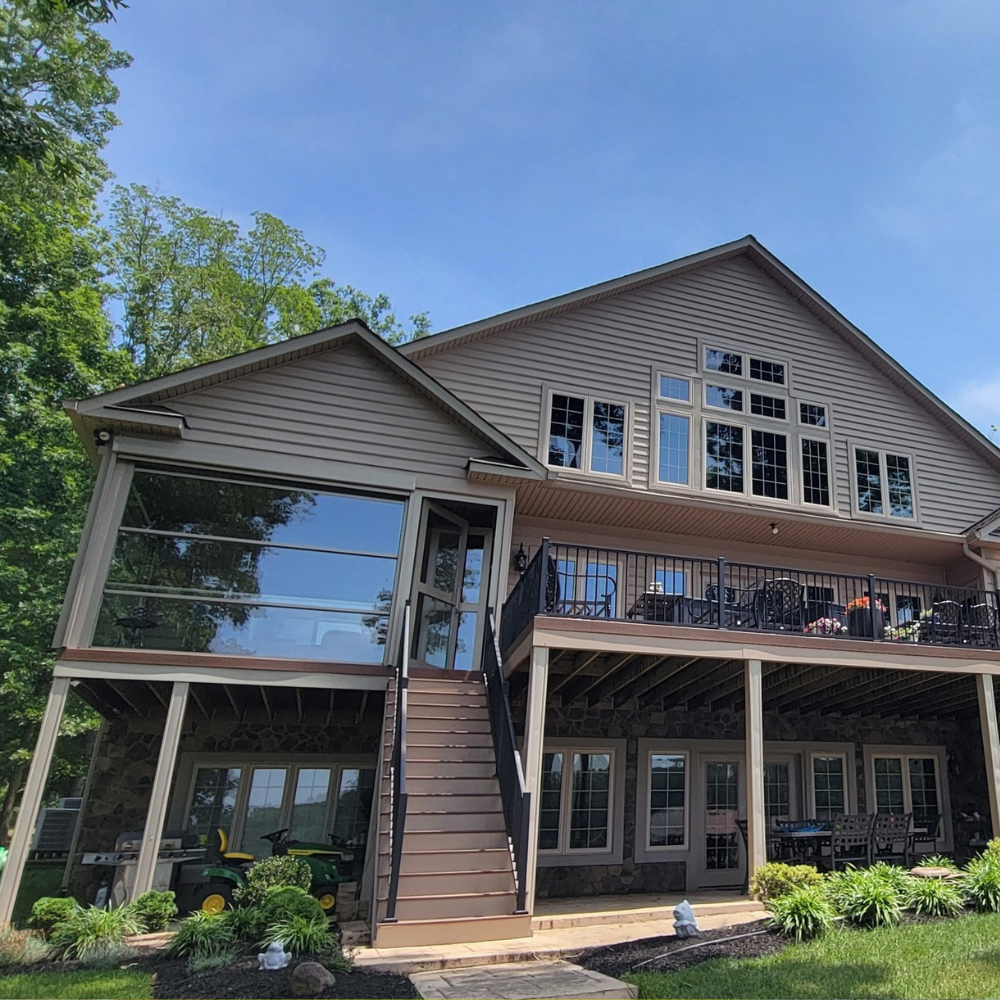
Pressure washing can be a highly effective method for cleaning vinyl siding, but it comes with risks if not done correctly. Homeowners often wonder: Can pressure washing damage vinyl siding? Understanding the proper techniques, pressures, and cleaning solutions is essential to maintain the integrity of your siding and avoid costly repairs.
Understanding Vinyl Siding
Vinyl siding is a popular exterior material due to its durability, low maintenance, and affordability. Made from polyvinyl chloride (PVC), vinyl siding is resistant to moisture, pests, and fading. However, despite its toughness, it is not impervious to damage. High-pressure water, harsh chemicals, or improper techniques can cause warping, cracking, or dislodging.
Key properties of vinyl siding:
- Lightweight and flexible
- Resistant to moisture and rot
- Can discolor or warp under extreme conditions
How Pressure Washing Works
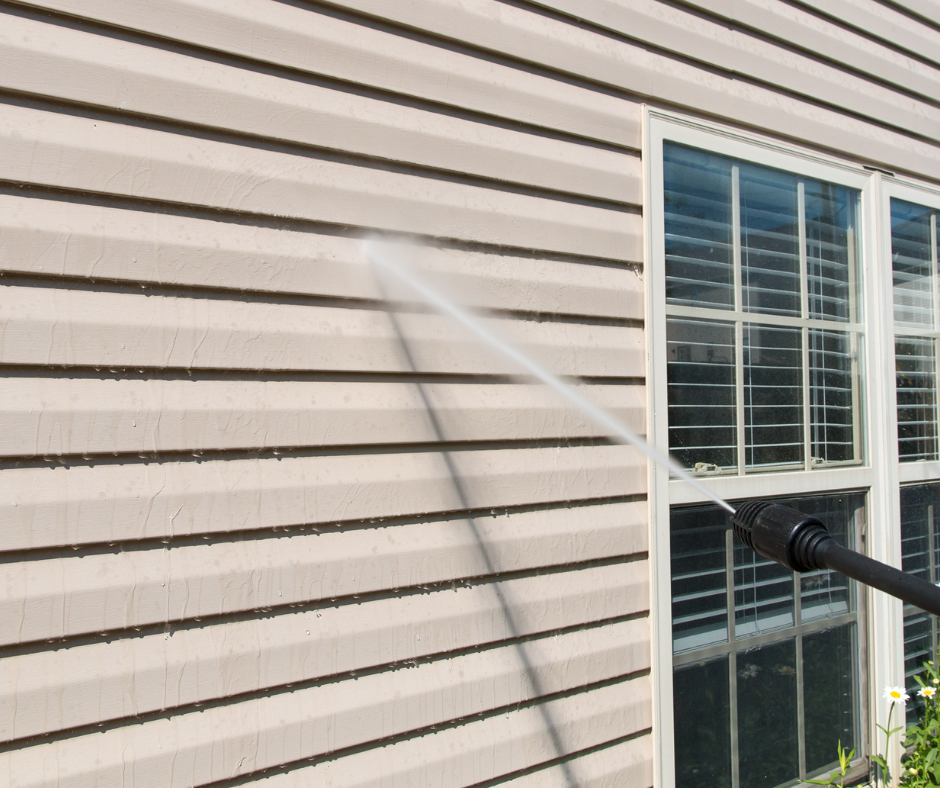
Pressure washing involves using a high-pressure water spray to remove dirt, mold, mildew, and other debris from surfaces. Commercial pressure washers can produce pressures ranging from 1,000 to 4,000 PSI. While effective, vinyl siding is sensitive to high pressure, and incorrect use can lead to:
- Warping of the panels
- Cracks or dents
- Water infiltration behind the siding
- Peeling paint on trim or adjacent surfaces
Soft Washing vs. Pressure Washing
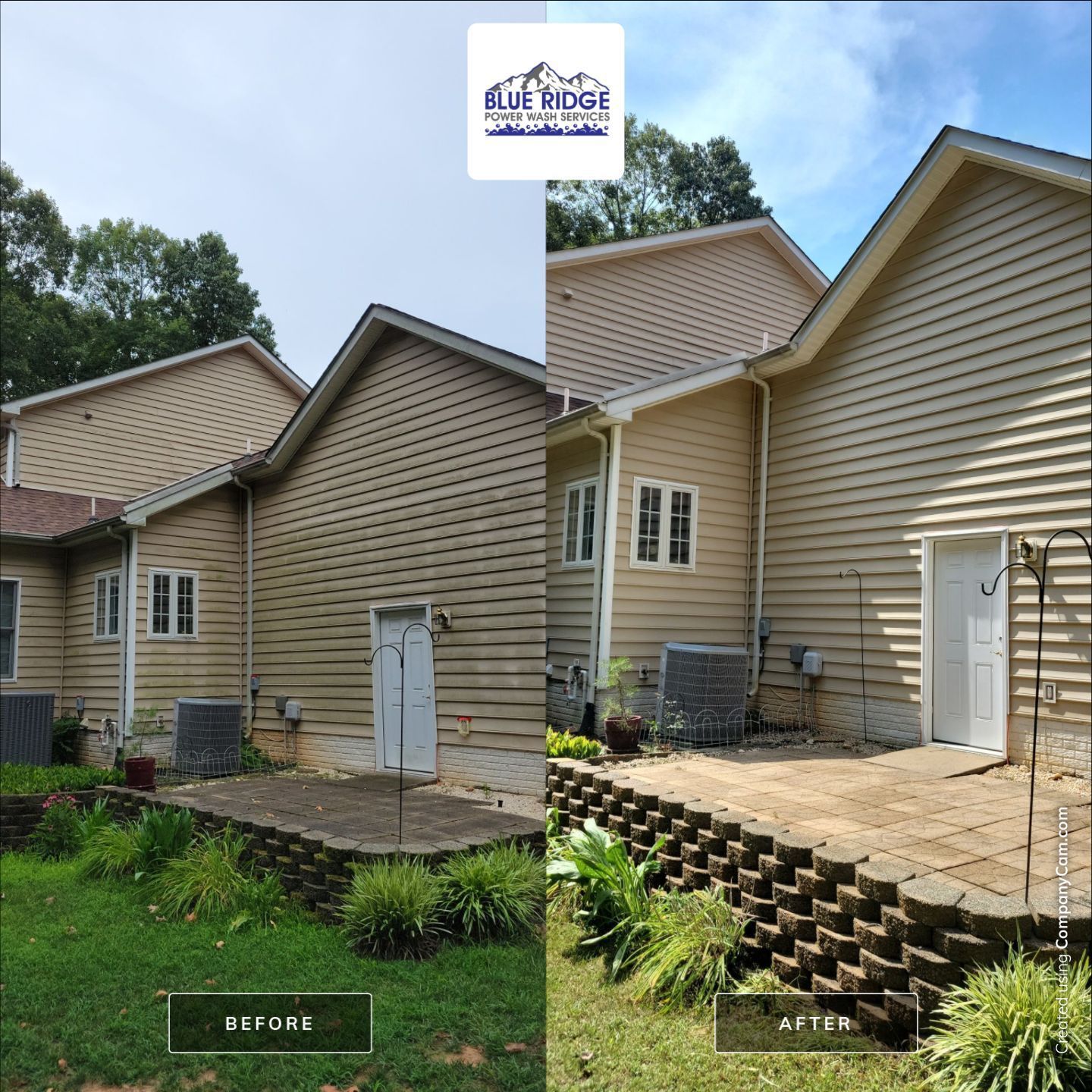
Soft washing is an alternative cleaning method that uses low pressure combined with specialized cleaning solutions to safely remove dirt, algae, and mold. Unlike traditional high-pressure washing, soft washing minimizes the risk of damage while still delivering excellent results.
Benefits of Soft Washing:
- Safer for vinyl siding
- Reduces water intrusion
- Effectively kills mold and mildew
- Longer-lasting cleanliness
Risks of Pressure Washing Vinyl Siding
Even with experience, pressure washing vinyl siding can cause problems if certain precautions are ignored.
1. Excessive Pressure
Using too high a PSI can physically damage the siding. Pressures above 1,500 PSI are generally considered risky for vinyl.
2. Wrong Nozzle Angle
Spraying at too steep an angle or too close can force water behind the panels, leading to moisture damage and mold growth.
3. Harsh Cleaning Solutions
Some chemicals can degrade vinyl over time, causing fading or brittleness. Always use cleaners specifically designed for vinyl siding.
4. Temperature Issues
Hot water or direct sunlight during washing can soften the vinyl, increasing the likelihood of warping.
5. Loose or Damaged Panels
Existing issues like loose or cracked siding can worsen during pressure washing.
Signs Your Vinyl Siding Was Damaged
After cleaning, inspect your siding for potential damage:
- Warping or bubbling
- Cracks or holes
- Water stains inside the home
- Loose panels or trim
Prompt repair can prevent further damage and costly repairs.
Alternative Cleaning Methods
For homeowners concerned about damage, consider these alternatives:
- Soft Washing: Uses low pressure and eco-friendly cleaners for safe, effective cleaning.
- Hand Scrubbing: Ideal for small areas or delicate siding.
- Professional Services: Experienced contractors know the appropriate pressure, angles, and cleaning solutions.
Maintenance Tips to Reduce Pressure Washing Needs
Regular maintenance can minimize the need for frequent high-pressure cleaning:
- Rinse siding with a garden hose monthly.
- Trim bushes and trees to reduce debris and mold growth.
- Inspect for damage periodically.
- Remove stains promptly using mild detergents.
Conclusion
Pressure washing can damage vinyl siding if done incorrectly, but with proper techniques, it can be safe and effective. Homeowners should understand the risks, choose appropriate pressure levels, and consider soft washing or professional services to maintain their siding’s longevity. Regular inspections and proper cleaning practices help ensure that your vinyl siding remains beautiful and functional for years.
Key Takeaways:
- Vinyl siding is durable but sensitive to high pressure.
- Soft washing is safer than high-pressure washing.
- Use vinyl-safe cleaning solutions and proper nozzle techniques.
- Inspect and maintain siding regularly.